Wellness
Kyiv's Top Farmers Markets: Peak Season July Produce Guide
July is peak season at Kyiv's outdoor markets, here's where to shop and what to load into your basket this week.
4 min read
Updated 4 h ago
Wellness
July is peak season at Kyiv's outdoor markets, here's where to shop and what to load into your basket this week.
4 min read
Updated 4 h ago
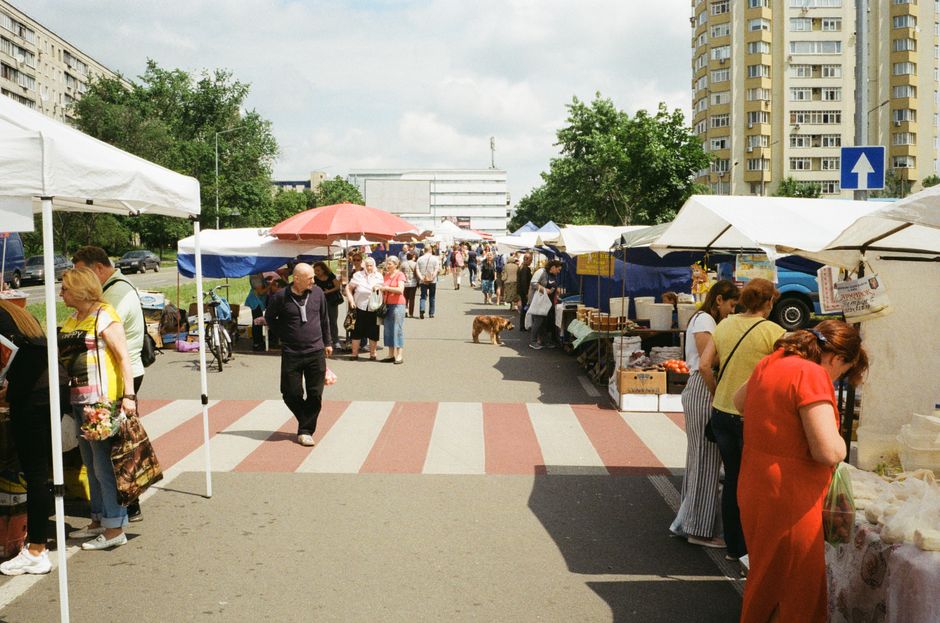
Kyiv's farmers markets are hitting their stride. July brings the fullest stalls of the year, fat tomatoes from Poltava region suppliers, early watermelons trucked up from Kherson, and the first zucchini and sweet peppers of the summer harvest. For anyone paying attention to their diet, this is the month to abandon the supermarket and spend a Saturday morning walking the rows.
The timing matters. Ukraine's 2025 agriculture ministry data showed domestic vegetable consumption drops sharply in winter, when households rely on imports and preserved goods. July, by contrast, is when Ukrainian-grown produce is at its cheapest and most nutritious, the window between the spring hunger gap and the August glut. Dietitians at Kyiv's Bogomolets National Medical University have long argued that eating seasonally and locally is one of the most effective, lowest-cost interventions for cardiovascular and metabolic health. The advice is not new; the opportunity is.
Zhytniy Rynok, the oldest covered market in the city, anchors the Podil neighbourhood on Sahaidachnoho Street and opens at 7 a.m. daily. The market runs roughly 400 individual stalls, and by mid-July, the central hall is thick with bundles of dill, parsley, and coriander sold by village growers who arrive from Kyiv Oblast by minibus before dawn. Loose-leaf sorrel, excellent in summer borscht, goes for about 20 hryvnias per bunch this week. Zhytniy is not a boutique experience; it is a working market, and prices reflect that.
Bessarabsky Rynok on Bessarabska Square, a five-minute walk from Khreshchatyk metro, skews slightly more expensive but rewards careful shopping. Honey producers from Vinnytsia Oblast maintain permanent stalls near the south entrance, and the berry section in early July is exceptional, white and red currants, gooseberries, and the first blueberries arriving from Zhytomyr Oblast farms. A 500-gram punnet of mixed currants runs 60 to 80 hryvnias depending on the vendor. The market also stocks a reliable selection of kefir and fresh cottage cheese from small dairies, products that nutrition specialists consistently cite for gut-health benefits.
For those who prefer a curated weekend format, the Organic Market UA fair runs on the first Saturday of each month on Kontraktova Ploshcha in Podil. The July edition, held on 5 July, draws around 80 certified or transitioning-organic producers. Prices are higher, expect to pay 150 hryvnias per kilogram for heirloom tomatoes, but the selection includes varieties you will not find at Zhytniy: purple basil, edamame, and several heritage grain flours from Poltava producers.
Tomatoes are the headline item. Varieties grown in open fields in Kherson and Mykolaiv oblasts are arriving now, and field-ripened tomatoes carry measurably higher lycopene content than greenhouse alternatives available year-round. Buy them in bulk, a three-kilogram bag at Zhytniy was priced at 95 hryvnias on 2 July, and make a simple sauce to freeze for winter.
Cherries, which peaked in late June, are tapering off but still available. Apricots from Zaporizhzhia suppliers are at maximum sweetness right now and won't hold that quality past mid-July. Courgettes and cucumbers are so abundant this week that vendors at Bessarabsky were effectively discounting to move stock, 30 hryvnias per kilogram for cucumbers compared to 55 hryvnias in May.
Practical advice: arrive before 10 a.m. at any of these markets. Vendors selling directly from their own plots, often identifiable by hand-written cardboard signs listing the village of origin, tend to sell out first and rarely accept card payments, so bring cash in small denominations. A 500-hryvnia note will more than cover a week's vegetable supply for a household of two if you stick to seasonal items.
The summer market season in Kyiv runs reliably through September. Autumn will bring its own logic, squash, apples, late peppers, but the next six weeks are, by most measures, the best eating of the year. Consult a local nutritionist or your family doctor if you are managing specific dietary requirements alongside seasonal changes.

Wellness

Wellness

Wellness

Wellness
About this article
Published by The Daily Kyiv
Spread the word
Daily brief
Free, in your inbox before 7am. Weekdays.
The Daily Network