wellness
Kyiv Residents Slash Food Costs While Eating Nutritiously on Tight Budgets
With food prices still elevated across Ukraine, savvy shoppers in the capital are finding ways to eat nutritiously without draining their wallets.
How we reported this
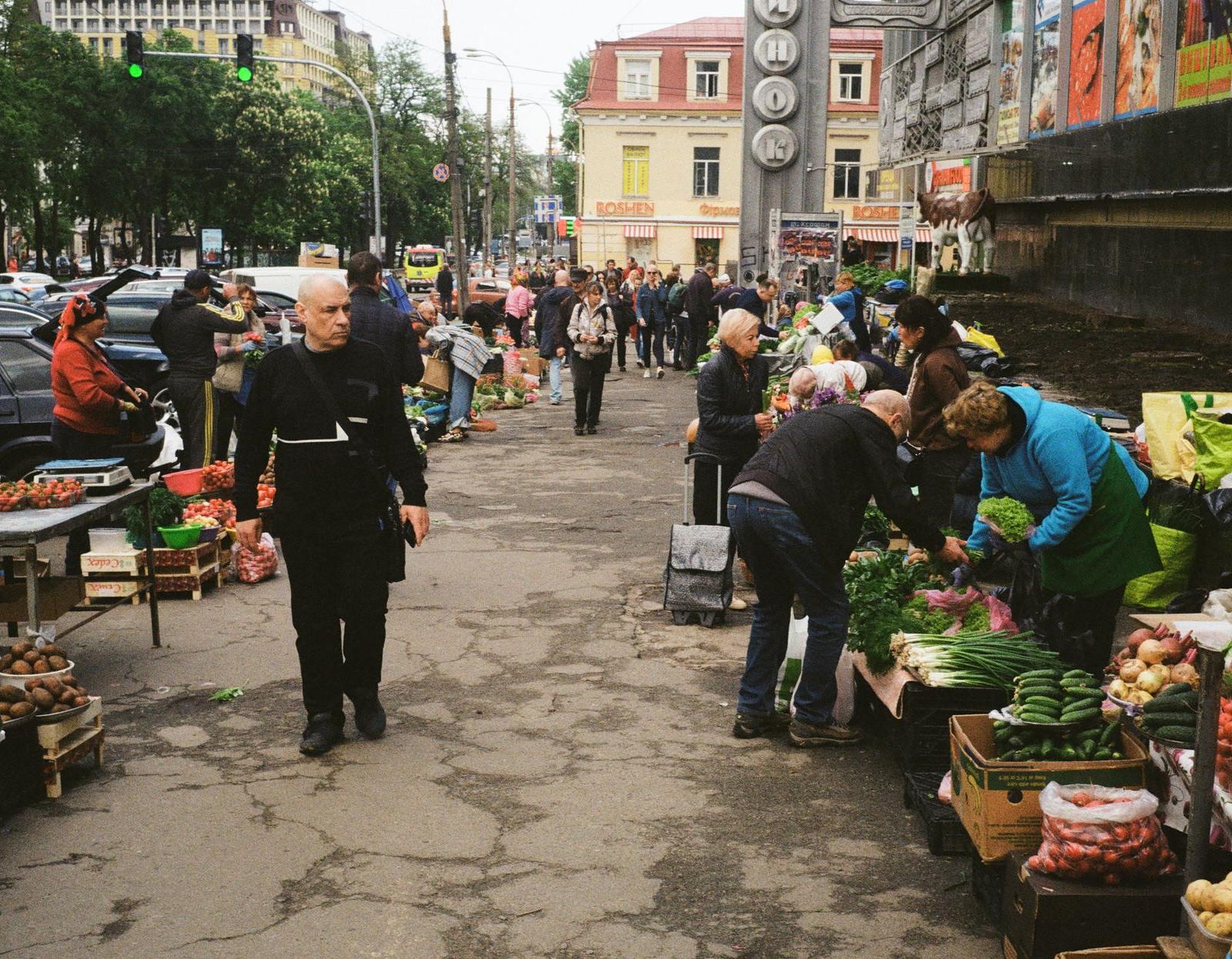
A kilogram of seasonal buckwheat at Bessarabsky Market runs around 35-40 hryvnias this week. A bunch of fresh dill costs less than 10. For Kyiv residents watching every hryvnia, the city's traditional food culture turns out to be one of the best nutritional assets they have, if they know how to use it.
The pressure to eat well cheaply is not abstract. Ukraine's State Statistics Service recorded food inflation of roughly 8 percent year-on-year through the spring of 2026, with cooking oils, eggs, and imported fruit absorbing the steepest increases. For households in Kyiv, where average monthly wages hover around 18,000-20,000 hryvnias, grocery bills are a genuine stress point. Nutritionists working with community clinics say they are fielding more questions about affordable eating than at any point in recent memory.
Where to Shop and What to Buy
The answer for most budget-conscious Kyivans starts at the city's outdoor markets, not the supermarket chains. Zhytniy Rynok on Zhytnya Street in Podil district opens early six days a week and consistently undercuts the major retail chains on staple vegetables by 15-25 percent, according to price comparisons done by local consumer group Ukrainskyi Pokupets in June 2026. Bessarabsky Market, centrally located at the bottom of Khreshchatyk, is pricier for atmosphere but reliable for direct-from-producer dairy and pickled goods, where buying in bulk can cut per-unit costs significantly.
The key nutritional move is leaning hard into what Ukraine already grows. Beet, carrot, cabbage, onion, and potato remain the cheapest vegetables per calorie in almost any season. Legumes, particularly lentils, dried peas, and the ubiquitous borshch staple of kidney beans, deliver protein at a fraction of the cost of meat. A 500-gram bag of red lentils at Silpo or ATB typically costs 45-55 hryvnias and yields four generous servings of a protein-dense meal. Sunflower seeds and sunflower oil, both produced domestically in enormous volumes, are calorie-dense and nutrient-rich at low cost.
The Kyiv City Council's municipal food program, Produktova Dopomoha, continues to operate distribution points in Obolon, Darnytsia, and Sviatoshyn districts, offering subsidised food parcels for registered low-income households. The program was expanded in March 2025 and as of June 2026 serves approximately 34,000 Kyiv families per month. Residents who qualify can register through the district social protection offices on Velyka Vasylkivska Street or via the Kyiv City digital services portal.
Practical Habits That Actually Work
Nutritionists affiliated with the Kyiv City Centre for Public Health, based on Yaroslavska Street in Podil, recommend a few concrete weekly habits. Plan meals around a core of three or four cheap starches, buckwheat, oats, potatoes, and pasta, and rotate vegetables based on what is cheapest that day, not what a recipe specifies. Frozen vegetables, widely available at Fora and ATB supermarkets for 30-50 hryvnias per 400-gram bag, retain nearly the same micronutrient profile as fresh and dramatically cut waste.
Eggs remain one of the most cost-effective complete proteins available. A dozen eggs at most Kyiv chain stores cost 60-75 hryvnias as of early July 2026, roughly 6 hryvnias per egg. Paired with seasonal vegetables and a grain, two eggs form the backbone of a nutritionally solid meal for well under 50 hryvnias total.
Batch cooking Sunday through Monday for the first half of the working week cuts both food waste and the temptation to buy expensive convenience food near metro stations. A large pot of borshch, beet, cabbage, potato, carrot, tomato paste, a bone if the budget allows, costs roughly 120-150 hryvnias in ingredients and feeds a family of four for two to three days.
Anyone dealing with specific dietary needs, deficiencies, or chronic conditions should speak with a local family doctor or dietitian rather than relying on general guidance. The Kyiv City Health Department maintains a directory of community health centres offering consultations on a sliding-fee basis. Eating well on a limited budget is genuinely possible in this city, but it rewards planning, market knowledge, and a willingness to cook.