wellness
Kyiv Locals Discover Ancient Fermented Foods for Better Gut Health
From Podil's weekend markets to specialty delis on Velyka Vasylkivska, Kyiv's fermented food scene offers a surprisingly potent toolkit for gut health, and much of it has been sitting in Ukrainian kitchens for centuries.
How we reported this
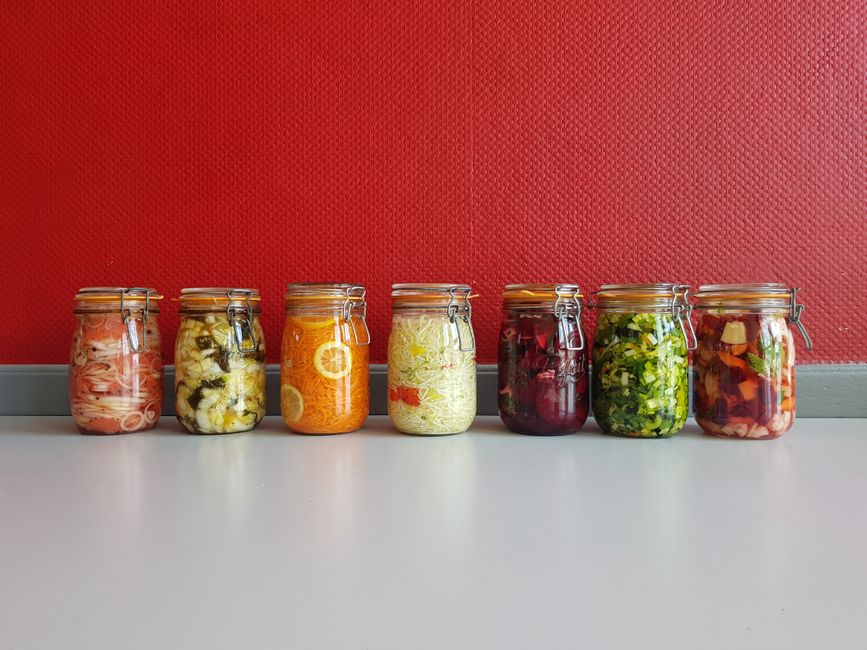
The science caught up with the babusya years ago. Fermented foods, long a staple of Ukrainian home cooking, are now backed by a growing body of research linking a diverse gut microbiome to everything from stronger immunity to better mental health outcomes. For Kyiv residents already navigating a high-stress urban environment, that connection matters more than ever.
Interest in gut health has surged across European cities over the past two years. A 2024 review published in Nature Reviews Gastroenterology & Hepatology found that regular consumption of fermented foods, at least three servings daily, increased microbiome diversity markers by roughly 19 percent over ten weeks. Dietitians at Kyiv's ON Clinic on Khreshchatyk Street report that gut-related consultations have climbed steadily since 2023, with patients increasingly asking specifically about food-based interventions rather than supplements alone.
The good news: you don't need to import anything exotic. Ukraine's culinary tradition already hands you most of what the research recommends.
What to Look For, and Where to Find It
Kvass is the easiest entry point. The naturally fermented rye bread drink, sold in 1.5-litre bottles for around 60-80 hryvnias at most Silpo and Novus supermarket locations across the city, contains live Lactobacillus cultures when unpasteurised. Check the label carefully; shelf-stable versions processed at high heat lose most of their probiotic value. The Zhytny Rynok on Podil, one of Kyiv's oldest covered markets, carries several small-batch producers who sell kvass by the litre from barrels every Saturday morning from around 8 a.m.
Kefir deserves more credit than it typically gets. Ukrainian dairy shelves stock a dozen varieties, but the 2.5-percent-fat kefir produced by Yagotynske, a cooperative dairy based in the Kyiv region, consistently tests high for active culture counts according to independent consumer testing published by the Ukrainian Consumer Protection Association in March 2025. A 900ml bottle runs about 55-65 hryvnias. Drink it plain or use it as a base for cold soups like okroshka, which keeps the cultures intact.
Sauerkraut, kvashena kapusta, is arguably the most potent option on this list. The version sold loose from barrels at Bessarabska Market on European Square contains no vinegar, which means fermentation happened the traditional lacto way and the live bacteria survive. Vendors there typically price it at 80-100 hryvnias per kilogram in July. A single 150-gram portion delivers several billion colony-forming units of beneficial bacteria, according to food science data from Warsaw University of Life Sciences, whose fermentation research is frequently cited by Ukrainian nutritionists.
Beyond the Basics: Kyiv's Expanding Fermented Food Niche
A younger cohort of producers has pushed the category further. The Fermentor workshop, operating from a studio space near Obolon metro station, runs monthly hands-on classes teaching residents to make kombucha, kimchi-style fermented vegetables, and water kefir at home. Sessions cost approximately 900 hryvnias per person and typically sell out within a week of posting. Their supply of SCOBY starter cultures, the live culture needed to brew kombucha, is also available for purchase online through their Telegram channel.
On Velyka Vasylkivska Street in Holosiivskyi district, the specialty grocery Lavka Tradiciy stocks imported and domestic miso pastes, traditionally fermented pickles from Poltava-region producers, and raw apple cider vinegar, all products with documented probiotic or prebiotic properties. Staff there can walk you through which items are genuinely fermented versus merely acidified with vinegar, a distinction that matters enormously for gut health outcomes.
One practical note before stocking up: anyone with a compromised immune system, a history of gastrointestinal conditions, or who is currently on antibiotics should speak with a gastroenterologist before dramatically increasing fermented food intake. The Kyiv City Clinical Hospital No. 18 on Bulvarno-Kudriavska Street has a gastroenterology outpatient department accepting patients without referral on weekday mornings. Starting slowly, one fermented food per day, adding more over two to three weeks, gives the gut time to adjust without discomfort. The tradition already exists here. The research finally explains why it works.