wellness
Kyiv Scientists Show How Meditation Physically Reshapes the Brain
New neurological research is giving Kyiv's growing meditation community hard evidence for what practitioners have long insisted, sitting still and breathing deliberately reshapes the brain itself.
How we reported this
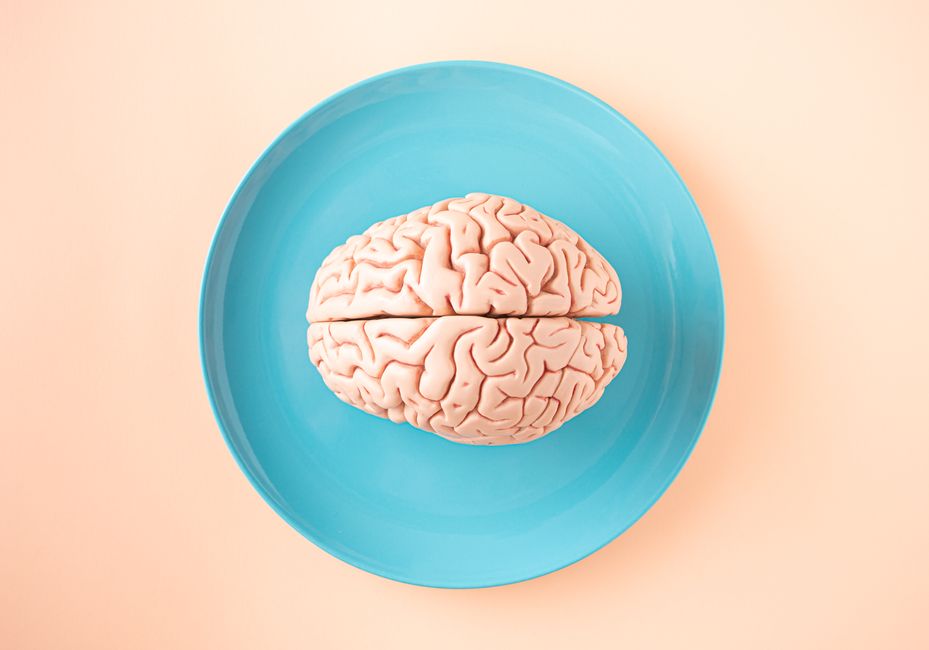
The evidence is no longer soft. Sustained mindfulness practice physically alters brain structure, reducing grey matter density in the amygdala, the region most associated with stress and fear responses, while thickening the prefrontal cortex, where rational decision-making lives. A landmark study published in Psychiatry Research: Neuroimaging back in 2011 first confirmed these changes in participants after just eight weeks of Mindfulness-Based Stress Reduction training, and subsequent research has only sharpened the picture. For the hundreds of Kyivans now filling weekly meditation sessions across Podil and Pecherskyi, that science matters.
The timing is pointed. Ukraine's population has lived under sustained psychological stress since February 2022, and mental health specialists working with the Kyiv City Clinical Hospital No. 1 on Verkhnia Street have documented a sharp rise in anxiety-related presentations. Chronic stress, left unaddressed, keeps the amygdala in a near-permanent state of activation, flooding the body with cortisol, disrupting sleep, impairing memory consolidation. Mindfulness, the research increasingly shows, is not a luxury coping mechanism. For many people, it is a clinical one.
What the Neuroscience Actually Shows
Three mechanisms stand out in peer-reviewed literature. First, regular meditation strengthens the connection between the prefrontal cortex and the amygdala, giving the thinking brain more leverage over emotional reactions. Second, it increases activity in the left anterior insula, a region tied to bodily self-awareness and empathy. Third, consistent practice appears to lengthen telomeres, the protective caps on chromosomes linked to cellular aging, according to a 2013 paper in the journal Brain, Behavior, and Immunity. The minimum effective dose, most researchers now agree, is around 10 to 20 minutes of focused attention practice per day for at least four consecutive weeks before measurable structural changes appear on MRI scans.
Dose matters. So does technique. Open-monitoring meditation, where the practitioner observes thoughts without latching onto them, activates different neural networks than focused-attention practice, where the mind returns repeatedly to a single anchor like the breath. Both produce benefits, but researchers at institutions including University College London have found that open-monitoring practice more reliably reduces rumination, the looping negative thought patterns particularly prevalent in people managing post-traumatic stress.
Where Kyiv Is Doing This Work
The city's wellness infrastructure has grown fast. Bodhi Yoga Studio on Sahaidachnoho Street in Podil now runs a dedicated eight-week Mindfulness-Based Cognitive Therapy program, structured around the clinical protocol originally developed at Oxford University in the 1990s. A full course costs approximately 4,800 hryvnias, around 115 euros at current exchange rates, and the studio reports waitlists extending six to eight weeks as of this spring. Meanwhile, the Meditation House on Baseina Street in Pecherskyi runs drop-in sessions from 200 hryvnias per class, lowering the entry point for people who want to test the practice before committing to a structured course.
Community programs are also expanding. The NGO Prostir Mozhlyvostei, which has operated mental health support groups for internally displaced Ukrainians since 2022, added a free guided mindfulness component to its Thursday evening sessions at its Shevchenkivskyi district office in January 2026. Attendance at those sessions has doubled since March, according to the organisation's publicly posted program updates.
The practical pathway for anyone curious is straightforward. Start with an app-guided body scan practice, Ukrainian-language tracks are available on the Insight Timer platform at no cost, for two weeks before deciding whether a structured group program makes sense. If anxiety is severe or linked to trauma, the relevant step is a conversation with a psychiatrist or clinical psychologist first; mindfulness is an evidence-based adjunct to treatment, not a replacement for it. The Kyiv City Centre of Mental Health on Dehtyarivska Street offers initial consultations and can refer to practitioners trained in trauma-sensitive mindfulness. The science is clear on what the practice does. The first step is simply starting.