wellness
Screen Time and Sleep: What the Research Actually Shows
Kyiv's wellness community is grappling with hard data on blue light, bedtime scrolling, and why your phone may be the most disruptive thing in your bedroom.
How we reported this
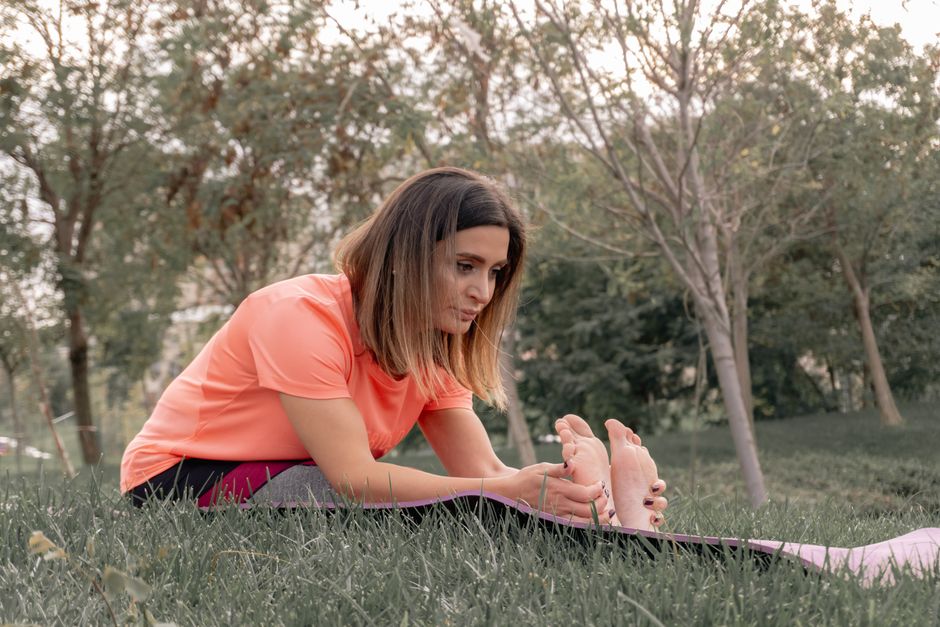
Adults in Ukraine average more than six hours of screen time daily, according to 2025 figures from the State Statistics Service, and sleep researchers say the timing of that exposure matters far more than the total hours. The core finding from a decade of chronobiology studies is blunt: screens used within 90 minutes of bedtime measurably delay the body's melatonin release, pushing sleep onset back by 30 to 45 minutes on average.
That gap compounds fast. Lose 40 minutes of sleep every weeknight and by Friday you're carrying a deficit of more than three hours, enough to impair reaction time, mood regulation, and immune function at levels comparable to missing a full night's sleep. The research, anchored in studies from Harvard Medical School's Division of Sleep Medicine and replicated by European teams including Germany's Max Planck Institute for Biological Cybernetics, is not new. What's new is how comprehensively it's being ignored.
The conversation matters acutely right now because Kyiv's population is living through sustained disruption, blackout schedules, irregular working hours tied to energy grid management, and the psychological weight of ongoing war. Each of those factors independently degrades sleep architecture. Add habitual late-night scrolling and the combination becomes clinically significant. Sleep deprivation doesn't just make people tired; it raises cortisol, suppresses the immune response, and over months is associated with elevated risk of cardiovascular disease and depression.
What Kyiv's Wellness Sector Is Doing About It
A handful of Kyiv's established wellness organisations have begun treating screen hygiene as a distinct health pillar rather than a footnote in general lifestyle advice. The Kyiv Medical Union, based on Saksahanskoho Street in the Holosiivskyi district, added a digital wellness module to its preventive health workshops in March 2026, specifically targeting adults aged 25 to 45, the cohort showing the steepest rise in sleep complaints at urban clinics. The program runs eight sessions and costs 2,400 hryvnias for the full course.
On Podil, the district along the Dnipro riverbank that has become one of the city's most active hubs for health-conscious programming, the wellness studio Prostir Zdorovia has been running monthly sleep-focused evenings since late 2025. Attendees are walked through a structured audit of their evening screen habits, not a lecture, but a structured self-assessment. The studio sits near Kontraktova Ploshcha metro station and draws a mix of IT workers, medical students, and parents, all of whom, facilitators note, share a near-universal pattern: phones in hand until minutes before sleep.
The research gives that observation clinical weight. A 2024 meta-analysis published in Sleep Medicine Reviews examined 49 studies covering more than 200,000 participants and found that social media use specifically, as distinct from passive video consumption, was associated with a 21 percent higher likelihood of clinically poor sleep quality. The mechanism is partly physiological (blue light suppresses melatonin) and partly psychological: the social comparison and emotional arousal triggered by feeds keeps the nervous system activated in ways that a neutral documentary does not.
The Practical Picture: What Actually Helps
The evidence on interventions is more nuanced than most advice columns suggest. Blanket bans on screens after 9 p.m. show modest average benefit but poor long-term adherence. What the strongest studies support is a combination of three things: shifting screen brightness to warm tones from 8 p.m. onward using software like Night Shift or f.lux; introducing a 20-minute wind-down gap between final screen use and lying down; and keeping phones outside the bedroom entirely, not face-down on the nightstand, but in another room.
That last point sounds trivial. It isn't. Research from King's College London published in January 2025 found that people who charged their phones outside the bedroom fell asleep an average of 23 minutes faster and reported better sleep quality on validated questionnaires than those who kept devices within arm's reach, even when total pre-sleep screen time was identical between groups. Proximity alone, the researchers concluded, keeps the brain in a state of low-level alertness.
For Kyiv residents navigating irregular schedules and genuine stress, none of this is a cure. But sleep medicine specialists consistently say that environmental changes, the room temperature, the light, the device, are the lowest-cost, highest-yield interventions available without a prescription. Anyone with persistent sleep difficulties should consult a physician or licensed sleep specialist; several operate within the network of the Kyiv City Clinical Hospital No. 8 on Predslavynska Street. The research is clear enough. Acting on it is the harder part.