Politics
Kyiv Schools Transform: 12-Year Cycle Launches 2027, Here's What Changes
From new gymnasium and lyceum structures to a 12-year school cycle starting in 2027, Kyiv schools are undergoing major changes. Here is how the timeline affects students and families.
How we reported this
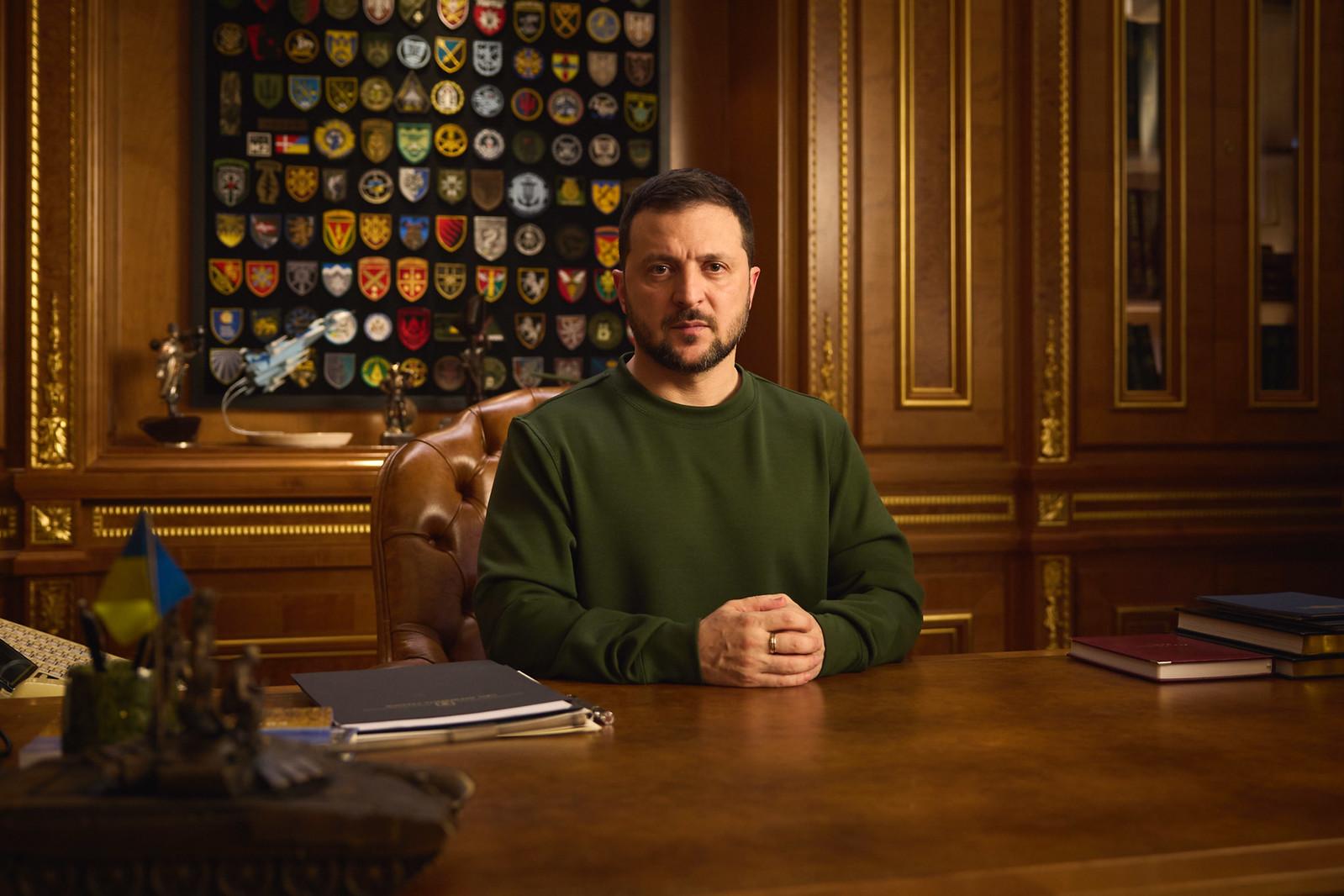
Kyiv schools are at the center of a nationwide education overhaul that will reshape how students move through primary and secondary education. Under the New Ukrainian School (NUS) reform, the system is shifting to a three-tier structure: grades 1-4, 5-9, and 10-12. Schools in the capital are preparing for the introduction of gymnasiums covering grades 5-9 and lyceums for grades 10-12, starting in 2027.
Key Timelines for Kyiv Schools
From September 1, 2027, Ukraine will officially shift to a 12-year school cycle, adding one year to upper secondary education. The move is being tested in 25 pilot Academic Lyceums, including institutions in Kyiv, during the 2024/25 academic year before the nationwide rollout. For Kyiv families, this means their children in upper secondary school will spend an additional year in the lyceum system, with curricula and facilities designed to reflect the new structure.
The reform also addresses urgent safety and infrastructure needs. Across Ukraine, 3,373 educational institutions have been damaged, including 385 destroyed, at a cost of $13.4 billion. In Kyiv, many schools lack adequate bomb shelters, forcing students into hybrid learning models. State data shows that 741,000 children across Ukraine are studying in hybrid formats, a mix of in-person and remote classes, because their schools lack shelters. Meanwhile, 443,000 students in active hostilities zones are entirely online. Kyiv’s hybrid adoption rates reflect this gap, and school administrators are prioritizing shelter construction and textbook distribution under the LEARN program.
Higher Education: Results-Based Funding and Autonomy
Kyiv universities are also feeling the impact of reform. Since 2020, institutions have operated under a results-based funding model, with rector contracts tied to key performance indicators. The goal is to reduce low-quality institutions and allocate more resources to top performers. Universities in the capital, which often rank among the country’s best, have benefitted from enhanced autonomy under this system. Students and faculty should expect continued emphasis on measurable outcomes, as funding decisions increasingly depend on institutional performance.
While the reforms aim to modernize Ukraine’s education system after years of war-related disruption, the full impact on Kyiv residents will unfold over several years. The shift to the 12-year cycle, the rollout of gymnasiums and lyceums, and the continued push for safer, better-equipped schools are all expected to become more concrete for families starting in the 2027 school year. In the meantime, the Ministry of Education and Science continues to coordinate with local authorities on shelter availability, teacher training, and textbook supplies under the LEARN program.
For Kyiv residents, the next two years are a period of transition. Schools will phase in new structures, university funding models will tighten or reward performance, and the safety of learning environments remains a top priority. The government says these reforms are designed to align Ukraine with European education standards, but the practical effects, from longer school days to new course requirements, will become clearer as the 2027 deadline approaches.